

- BUCHEN UND VERWALTEN BUCHENVERWALTENZUSATZLEISTUNGEN
- ERLEBNIS
- ANGEBOTE UND REISEZIELE ANGEBOTEFLUGZIELEENTDECKEN
- MILES&SMILES
- HILFE REISEINFORMATIONENHäufig gestellte Fragen – FAQHILFE-CENTER
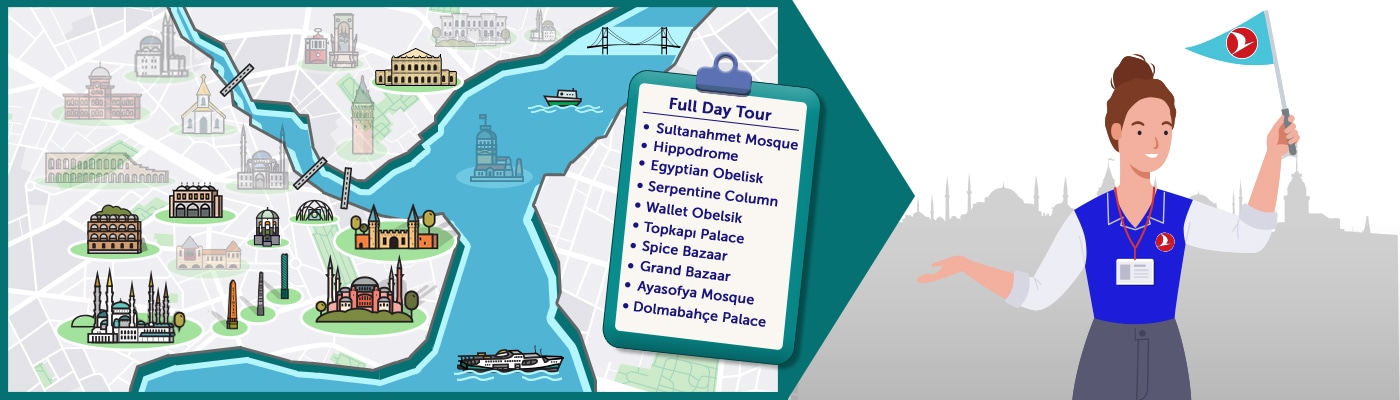
The dazzling architecture of Sultanahmet Mosque, Hagia Sophia, and the Hippodrome await you. After surveying ancient innovations at the Museum of the History of Science and Technology in Islam, complement your tour with a lunch featuring local specialties. This comprehensive tour is ideal for discovering the essence of Istanbul.
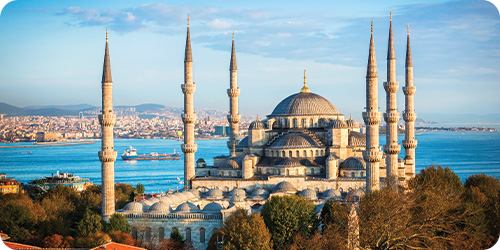
One of Istanbul’s iconic structures, the Sultanahmet Mosque is located directly opposite the Hagia Sophia. Built during the late period of Classical Ottoman architecture, this important landmark is also known as the “Blue Mosque” due to its interior, which is decorated with thousands of blue-hued Iznik tiles.

The Hippodrome, where horse races were held during the Roman period, was one of the most important social spaces of the era. Today, the area extending from the German Fountain to the Obelisk, Serpent Column, and Woven Column forms the center of the Historical Peninsula.
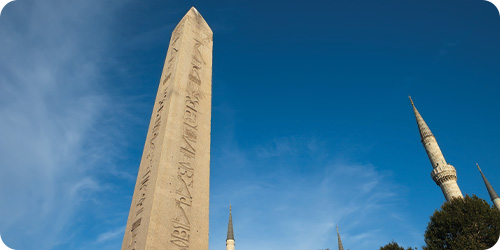
Carved from granite, the Obelisk was brought from Egypt to Istanbul during the reign of Byzantine Emperor Theodosius I. Located in Sultanahmet Square, this magnificent monument, whose sides are adorned with hieroglyphics, is one of the oldest monuments in Istanbul with a history of approximately 3,500 years.
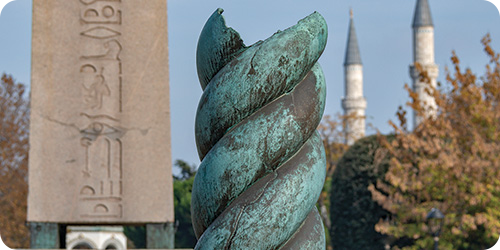
Originally built as a victory monument in Ancient Greece, the Serpent Column was brought to Istanbul during the Byzantine era. The column, the largest surviving monument from the Classical period, is said to have once protected the city from insects and reptiles.
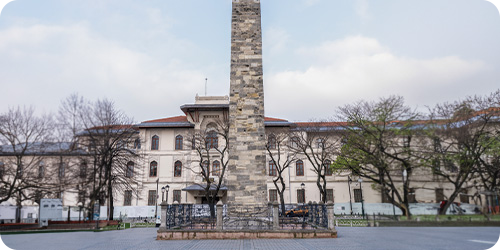
Located in Sultanahmet Square and also known as Constantine’s Obelisk, this monument served as a gathering spot for Janissaries during the Ottoman period. While the obelisk’s bronze cladding has been lost over time, it still attracts attention with its original stone structure.
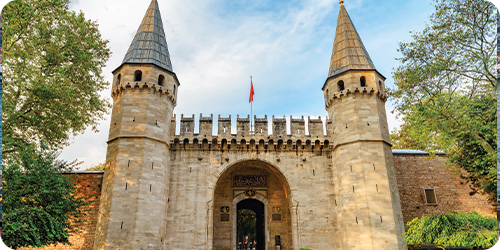
Topkapı Palace, which was a residence for Ottoman royalty for centuries, is now open to visitors as a museum. Construction of the palace began in the 15th century, and various structures were added over time. Topkapı Palace remains one of the most important elements of Istanbul’s skyline.

Spanning 30,000 square meters and housing thousands of shops, the Grand Bazaar is Istanbul’s most famous tourist shopping destination. Built after the conquest, this 600-year-old bazaar sells many traditional products, from Turkish delight to carpets and from jewelry to spices.
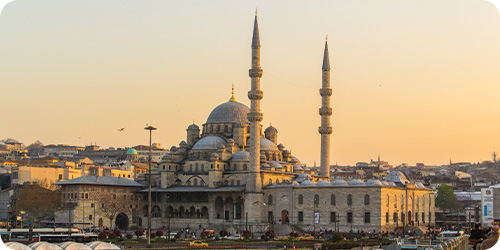
An emblematic structure of the Eminönü neighborhood, the New Mosque is the main element of the complex that also includes the historic Egyptian Bazaar. Overlooking the meeting point of the Bosphorus and the Golden Horn, the mosque was completed in the 17th century and is distinguished by the pigeons in its courtyard.
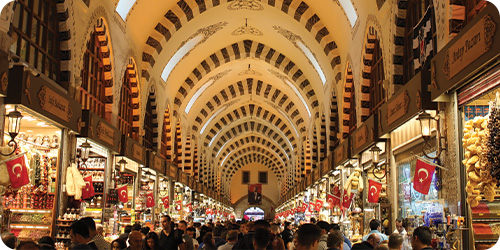
Named after the Egyptian taxes that largely funded its construction, as well as the goods that are sold there, the Spice Bazaar was erected to cover the expenses of the New Mosque. From the Ottoman era, when it was built, to the present day, the bazaar has been one of the city’s most important shopping destinations.
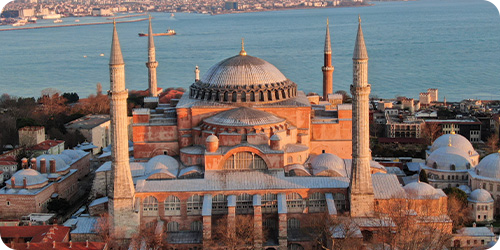
Built in the 6th century during the reign of Emperor Justinian I, the name means “Holy Wisdom” in Ancient Greek. Hagia Sophia, the most impressive example of Byzantine architecture and the largest domed structure of its time, continues to serve as a mosque today, as it did during the Ottoman period.
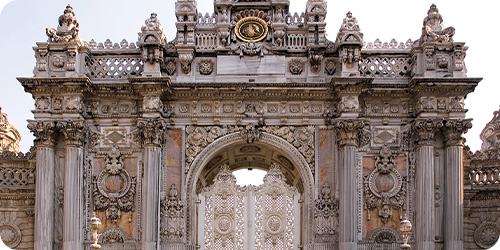
Designed by Garabet and Nigoğayos Balyan, the renowned father and son architectural team, Dolmabahçe Palace was built in the mid-19th century and served as the royal residence and main administrative center of the Ottoman Empire until 1922. Featuring baroque, rococo, and neoclassical elements, the palace is one of the monumental structures erected on the Bosphorus shore. .
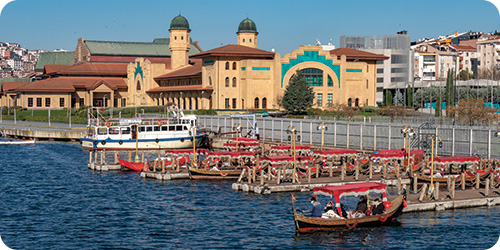
Extending from the Bosphorus into the Historical Peninsula, the Golden Horn is a natural harbor that played a key role in trade and transportation in the past. This scenic natural harbor is bordered by many popular neighborhoods such as Eminönü, Eyüpsultan, Balat, and Galata.
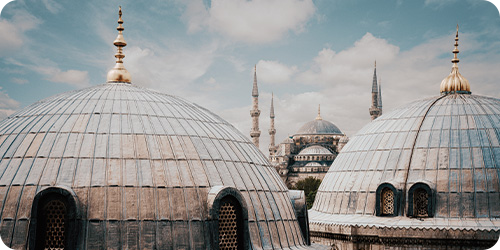
Built by the famed Ottoman architect Mimar Sinan, the Caferağa Madrasa was commissioned by Cafer Ağa, an official of Topkapı Palace. Now an art center where Turkish arts are taught, this historic madrasa behind the Hagia Sophia also houses a café.
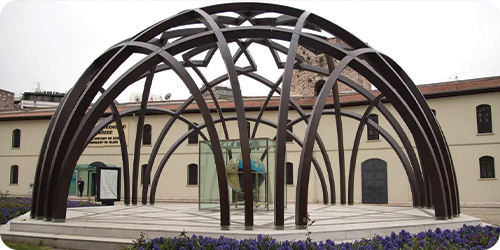
Located in Gülhane Park, the Museum of the History of Science and Technology in Islam is housed in the historic Has Ahırlar building. The museum’s collection displays replicas of scientific instruments and discoveries developed by Muslim scholars in the fields of astronomy, medicine, geography, and engineering.
Tour routes may vary depending on the day the tour is organized.