

- الحجز والإدارة الحجزالإدارةخدمات إضافية
- خبرة
- العروض والوجهات
- Miles&Smiles محتوى البرنامجاكسب الأميالاستبدال الأميال
- مساعدة معلومات السفرالأسئلة الشائعةمركز المساعدة
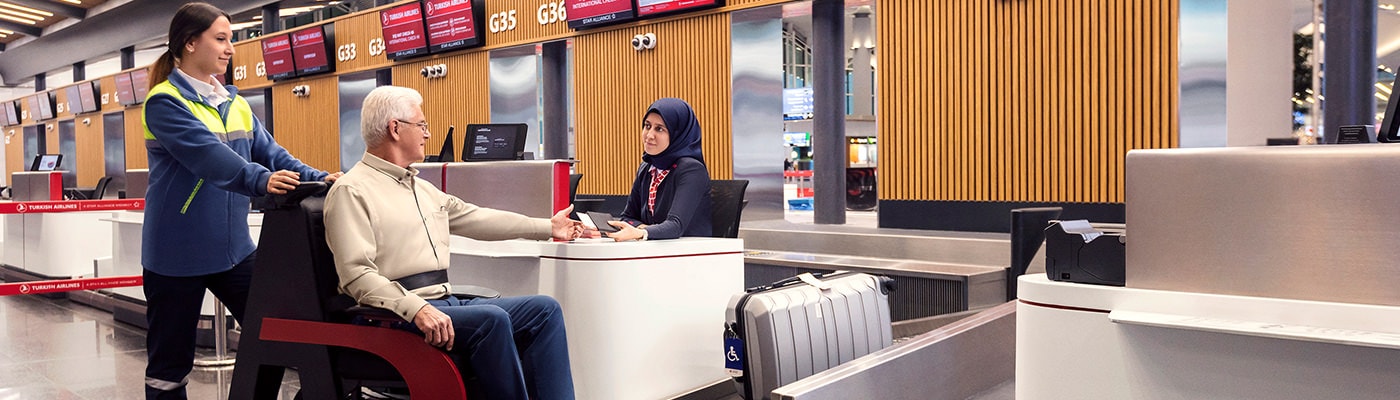
يجب تقديم طلبات خدمات الكراسي المتحركة قبل 48 ساعة على الأقل من موعد الرحلة المقرر وتأكيدها في الحجز. ورغم أنه قد يتم النظر في الطلبات المقدمة قبل أقل من 48 ساعة على أساس توفر الموارد، فقد لا يكون من الممكن دائما تلبية مثل هذه الطلبات. لضمان الانتهاء في الوقت المناسب من مناولة الأمتعة وتقديم المساعدة مع الكراسي المتحركة وإجراءات الأمن في المطار، نوصي المسافرين الذين يعانون من حالات طبية أو ذوي الاحتياجات الخاصة بالوصول إلى مبنى الركاب قبل ساعتين على الأقل من موعد المغادرة للرحلات الداخلية وثلاث ساعات للرحلات الدولية، بغض النظر عما إذا كانوا قد أكملوا إنهاء إجراءات السفر عبر الإنترنت أم لا.
يجب على المرضى الذين يحتاجون إلى استخدام نقالة للسفر أن يكونوا مع مرافق؛ يرجى ملاحظة أن التذاكر للمرافقين يتم إصدارها بشكل منفصل. بالإضافة إلى ذلك، يجب على المسافرين/المرافقين تقديم تقرير باللغتين التركية والإنجليزية يؤكد أن حالتهم الصحية مناسبة للطيران. يجب أن يصدر هذا التقرير خلال الأيام العشرة الأخيرة من تاريخ النشر. بالنسبة للمسافرين الذين تتم الموافقة على سفرهم على النقالة، يتم إصدار تذكرة بالسعر الذي تحدده الشركة. يجب على المسافرين المسموح لهم بالسفر باستخدام النقالة تقديم طلباتهم قبل 48 ساعة من الرحلة من خلال إشعار مسبق.
نقدم خدمات لغة الإشارة لمسافرينا من ضعاف السمع من خلال مركز الاتصال المرئي الخاص بنا. للحصول على معلومات مفصلة ولتقديم طلباتكم، انقر هنا.
في مطار إسطنبول، يمكن للمسافرين ذوي الهمم أو محدودي الحركة إكمال إجراءات إنهاء إجراءات السفر بسهولة من خلال زيارة المكاتب المدرجة أدناه:
If you have any concerns regarding your health before your flight, we strongly recommend consulting a doctor to ensure your journey is safe and comfortable. Most medical conditions do not prevent air travel; however, additional evaluations may be required in certain cases.
Passengers who have medical conditions that could be exacerbated or adversely affected by flying may be required to provide a doctor’s note stating that they “can complete the flight without needing urgent medical assistance.”
Passengers with disabilities or health issues are accepted for travel unless they fall into one of the following categories, or unless the airline’s procedures specify otherwise.
To ensure that they can safely complete their journey and follow safety instructions in an emergency, some passengers may need to fly with an attendant.
Whether a passenger requires an attendant can be assessed based on their ability to provide consistent and context-appropriate answers to questions, follow instructions, and independently complete check-in procedures.
In addition, if the passenger’s medical certificate or evaluation indicates the need for an attendant, the passenger is permitted to board only if accompanied by their attendant. For passengers who have medical conditions that require being accompanied on the flight by a healthcare professional (such as a doctor, paramedic, or nurse, as specified in the report) during the flight, that person must meet the criteria below.
Cabin crew members do not provide companion services for passengers.
Passengers with neurodevelopmental diversity (e.g., autism, ADHD (attention-deficit/hyperactivity disorder), intellectual or learning disabilities) are not required to provide a medical certificate; however, if these passengers require additional support in understanding safety instructions, responding appropriately to emergencies, or managing sensory challenges, they must travel with a companion.
Individuals in these situations may exhibit different behaviors—such as impulsivity, inattention, or an inability to sit still for long periods—due to social communication differences or stresses triggered by factors like light, sound, smell, crowds, or changes in environment. Passengers should not be asked questions regarding illness, medical diagnoses, etc., and they are not required to present a medical certificate.
However, if these passengers are traveling without a companion, their facility to understand safety instructions, to respond appropriately to emergencies, and/or to manage sensory difficulties can be assessed during the check-in process as follows:
Passengers with disabilities or reduced mobility can travel alone if they are able to meet their personal needs independently.
Passengers who are unable to understand safety instructions, respond appropriately to emergencies, manage sensory challenges, or meet their personal needs independently are required to travel with a companion.
To ensure that passengers who require a medical clearance can travel safely and comfortably on our flights, a medical certificate must be presented. The medical certificate, prepared in Turkish or English, must be completed by a doctor, must be dated within 10 days of the flight departure, and must include a written statement confirming that the passenger can complete the flight without needing urgent medical assistance.
The medical certificate must also include the doctor’s first and last name, title, license number, wet signature or e-signature, and the date of issue.

تتوفر خدمة الكرسي المتحرك المجانية للمسافرين الذين لديهم طلبات معتمدة للكراسي المتحركة. يجب تقديم طلبات الكراسي المتحركة قبل 48 ساعة على الأقل من الرحلة. يتم تقييم طلبات الكراسي المتحركة الأخرى داخل مرافق المحطة.

نُعطي الأولوية للمسافرين من ذوي الاحتياجات الخاصة عند الطلب وعندإنهاء إجراءات السفر والمرور بمراقبة الجوازات والصعود إلى الطائرة. نُوفر للركاب ذوي الاحتياجات الخاصة مقاعد في الصف الأمامي بناءً على توافر المقاعد وتهيئة الطائرة.
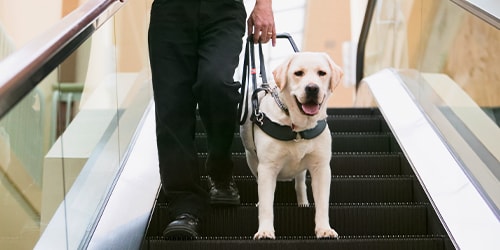
يتم قبول الكلاب المُرشدة في مقصورة الركاب مجانًا. يُمكن تقديم حجوزات كلاب الدعم العاطفي وكلاب الإرشاد حتى 48 ساعة قبل المغادرة. أثناء الرحلة، يجب أن تجلس كلاب الإرشاد عند أقدام أصحابها بدون كلبشة.
يجب أن يكون لدى الكلاب المُرشدة شهادات صحية ووثائق هوية وأوراق تطعيم صالحة. بالإضافة إلى ذلك، يجب أن يكون لدى كلاب الإرشاد أي وثائق أخرى مطلوبة من قبل بلد الوجهة. قد تُطلب هذه المستندات عند إنهاء إجراءات السفر.
لمزيد من المعلومات، يُرجى الاطلاع على صفحة سفر الحيوانات الأليفة.

الاختلافات التي يصعب ملاحظتها من خلال الملاحظة، مثل التوحد، الخرف (النسيان)، اضطراب القلق، صعوبات الكلام، صعوبات القراءة وصعوبة الرؤية، يُمكن أن تُسبب صعوبة للأفراد أثناء سفرهم وكذلك في المطار وأثناء السفر.
من أجل تقليل هذه الصعوبات التي قد يُواجهها ركابنا أثناء سفرهم، بدأنا في استخدام خدمة Sunflower lanyard.
عندما يرى موظفو الخدمات الأرضية وأعضاء طاقم الطائرة مسافراً يرتدي Sunflower lanyard، فسوف يدركون أن المسافر الذي يرتدي الشريط قد يحتاج إلى مزيد من المساعدة أو الدعم أو مزيد من الوقت في عمليات معينة.
يُمكن للمسافرين الحصول على الشريط الخاص بهم مجانًا من مكتب إنهاء إجراءات السفر المساعد في مطار إسطنبول، دون الحاجة إلى إثبات حالتهم، ويمكنهم استخدامه طوال رحلاتهم. بالإضافة إلى ذلك، يُمكن للمسافرين الاستمرار في استخدام نفس البطاقة في رحلاتهم القادمة وفي النقاط التي يكون فيها Sunflower lanyard صالحًا.

بعض المعدات الطبية التي قد تحتاجها أثناء الرحلة متوفرة في مقصوراتنا. بإمكانك أيضًا استخدام المعدات الطبية الخاصة بك أثناء الرحلة.

لأسباب أمنية، لا يُسمح لك باستخدام خزان الأكسجين الخاص بك أثناء الرحلة؛ ومع ذلك، سنُوفر خزان أكسجين بشهادة طبية بالكمية لكل دقيقة كما هو مذكور في تقريرك الطبي. يجب إجراء طلبات الأكسجين قبل الرحلة بـ 48 ساعة على الأقل.

في حال كنت تُسافر مع جهاز تنفس شخصي / جهاز POC / CPAP، يُرجى التأكد من أن الجهاز مُعتمد من طرف إدارة الطيران الفيدرالية (FAA). يُمكنك استخدام أجهزتك الخاصة متى احتجت إلى ذلك، باستثناء أثناء الإقلاع والهبوط. يجب على المسافرين الذين يستخدمون أجهزة التنفس المحمولة إبلاغ وحدة الحجز قبل 48 ساعة من موعد الرحلة فيما يتعلق بنقل و/أو استخدام الأجهزة. إذا كان المسافر ينوي استخدام جهاز التنفس المحمول في مقصورة الركاب، فيجب الحصول على شهادة طبية. يُرجى ملاحظة أنه في حال كنت تنوي استخدام جهاز الاستنشاق الخاص بك على متن الطائرة، نوصيك بإحضار بطاريات احتياطية تكفي لمدة رحلتك بالإضافة إلى نصف مدتها (أي مرة ونصف المدة). لا يشترط وجود منفذ طاقة في مقصورة الركاب لهذه الأجهزة.

قد يتناول مسافرونا المصابون بداء السكري أدويتهم ذات الصلة دون تقديم تقرير. يجب على مسافرينا الذين يعانون من حالات طبية أخرى غير مرض السكري والذين عليهم تناول الأدوية أثناء الرحلة الاحتفاظ بوصفاتهم الطبية معهم.
أثناء الرحلات من / إلى الولايات المتحدة، يُمكن للمسافرين طلب التحدث إلى مسؤول حل الشكاوى (CRO) بشأن أي مشاكل تتعلق بالإعاقة. إن فريق CRO مُخول لحل الشكاوى نيابة عن Turkish Airlines. خضع أعضاء فريق CRO للتدريب على الحساسية والتوعية، فضلاً عن تنظيم وزارة النقل والتدريب التشريعي ذو الصلة كما هو محدد في "وزارة النقل الأمريكية، العنوان 14، الفصل الثاني، الفصل الفرعي D، الجزء 328، الجزء الفرعي K". الـ CROs مُتوفرة في المطارات خلال ساعات العمل. إذا لم تتمكن من الاتصال بمسؤول علاقات العملاء، فيُمكنك إرسال بريد إلكتروني إلى CRO@THY.COM حتى تحظى مشكلتك بالاهتمام اللازم. الرجاء الاطلاع على هذه الصفحة للحصول على قائمة كاملة من مسؤولي حل الشكاوي (CRO). تتوفر خدمات CRO باللغتين الإنجليزية والتركية.
إذا كنت تعتقد أن Turkish Airlines قد انتهكت أي بند من قانون اللوائح الفيدرالية 14CFR، الجزء 382، فيُمكنك تقديم شكوى رسمية بموجب الإجراءات المعمول بها في 14CFR الجزء 382.65 عبر القنوات التالية:
عبر البريد:
وزارة النقل الأمريكية للطيران
قسم حماية المستهلك / C-75400
7th Street, SW
Washington, D.C. 20590
1-202-366-2220
عبر الإنترنت:
قسم حماية المستهلك في شركات الطيران >>
بإمكانك مراجعة مقالة "عدم التمييز على أساس الإعاقة في السفر الجوي" العنوان 14، الفصل 2، القسم 382 ضمن قانون وزارة النقل الأمريكية النهائي.
بإمكانك الوصول إلى لائحة قوانين وزارة النقل عبر القنوات التالية.
أرقام هواتف مجانية للمسافرين من ذوي الاحتياجات الخاصة - باللغة الإنجليزية:
1-800-778-4838 (صوت)
1-800-455-9880 (TTY)
أرقام هواتف قسم حماية المستهلك في شركات الطيران في الولايات المتحدة:
202-366-2220 (صوت)
202-366-0511 (TTY)
عنوان قسم حماية المستهلك في شركات الطيران الأمريكية:
C-75, U.S. Dept. of Transportation
1200 New Jersey Ave., SE.
Washington, D.C. 20590
موقع الويب الخاص بحماية المستهلك في شركات الطيران الأمريكية: