Introducing Tunisia
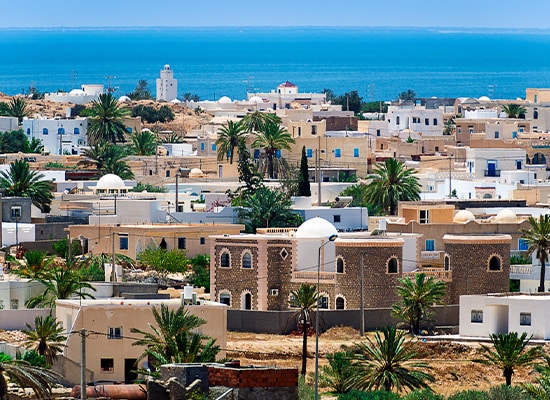
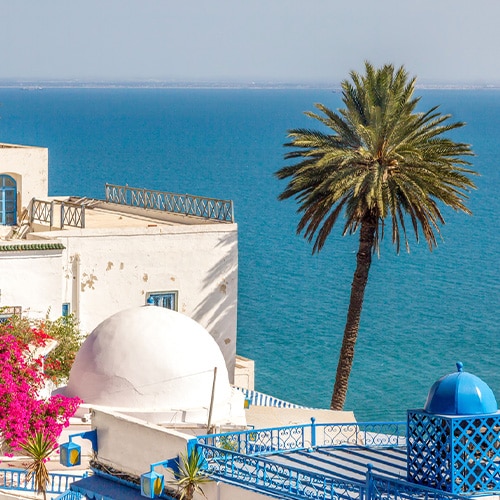
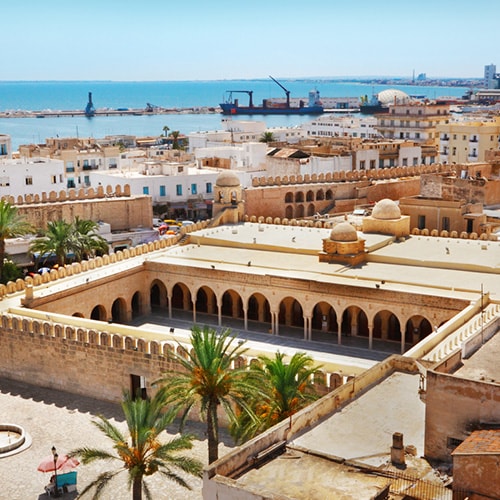
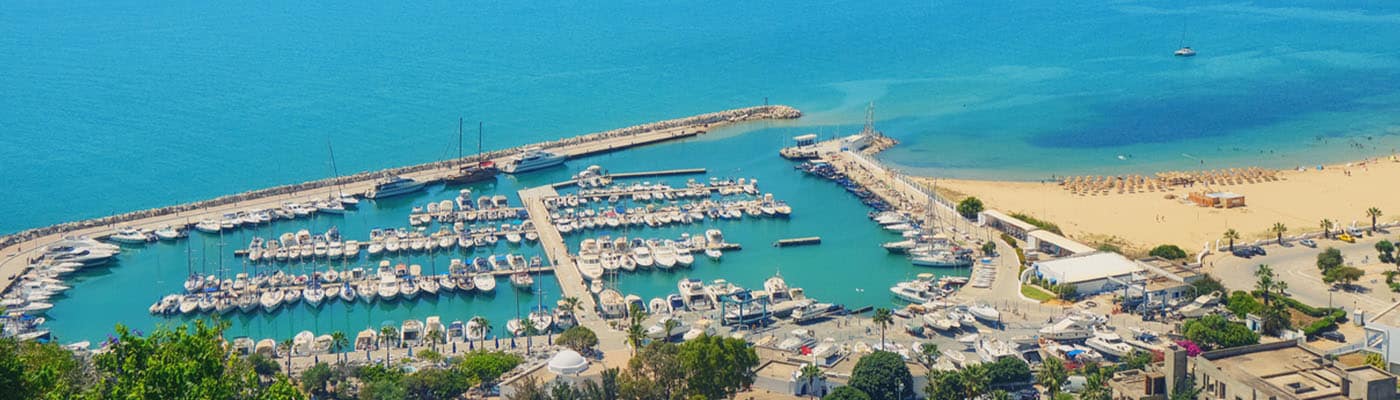
With more than 1,200 kilometers of coastline along the Mediterranean Sea, the North African country of Tunisia shares land borders with Algeria and Libya. Tunisia’s impressive desert landscapes and culinary routes draw millions of tourists, as do the country’s nine UNESCO World Heritage Sites and four biosphere reserves. Tunisia’s climate varies by region: the north is characterized by the dry summers and mild, rainy winters of the Mediterranean, while the south exhibits the hot, dry, and semi-arid features of the Sahara Desert. Tunisia’s lively culture and rich history are brightly displayed in coastal cities such as Hammamet and Sidi Bou Said, as well as in notable sites like the ancient city of Carthage, established as a Phoenician colony during the first millennium BC, and about a 30-minute drive from Tunis, Tunisia’s capital. In Tunis, travelers can enjoy soul-soothing moments at the Zitouna Mosque, a stellar example of Arab-Islamic architecture, and tour the Gothic-style Cathedral of St. Vincent De Paul and the majestic El Jem Amphitheater to gain a better understanding of Tunisia’s historical diversity and unique cultural heritage. Visitors to Tunisia can also embark on guided safaris in the Sahara Desert, experiencing a grand adventure through endless sandy landscapes. To find out more about exploring Tunisia and take the first step into an unforgettable journey, check out fares and schedules for Tunisia flight ticket prices now!