

- 예약 및 관리
- 경험
- 특가 및 목적지
- MILES&SMILES 프로그램 내용마일리지 적립마일리지 사용
- 도움말 여행 정보FAQ지원 센터
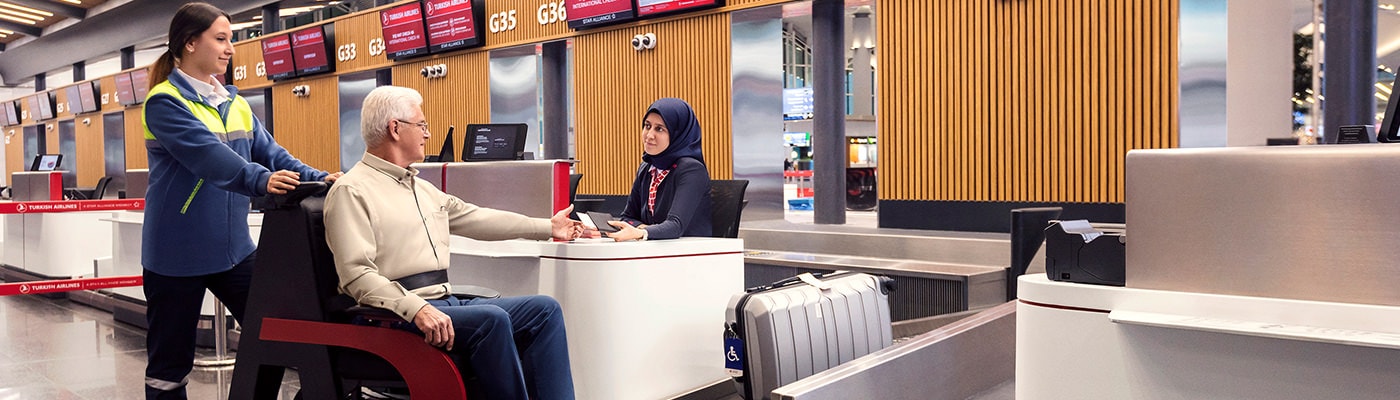
휠체어 서비스 요청서는 예정된 비행 최소 48시간 전에 제출해야 하며 예약에서 확정해야 합니다. 48시간 이내에 제출된 요청은 리소스의 가용성에 따라 고려될 수 있지만, 이러한 요청을 이행하는 것이 항상 가능하지는 않을 수도 있습니다. 공항에서 수하물 처리, 휠체어 지원 및 보안 절차를 적시에 완료할 수 있도록 국내선과 국제선의 경우, 건강 문제나 장애가 있는 승객은 온라인 체크인을 완료했는지 여부에 관계없이 출발 최소 2~3시간 전에 터미널에 도착하는 것이 좋습니다.
여행 시 들것이 필요한 환자는 동반자가 있어야 합니다. 동반자의 티켓은 별도로 발행됩니다. 또한, 승객/동반자는 튀르키예어와 영어로 자신의 상태가 항공기 탑승에 적합한지를 보여주는 소견서를 제출해야 합니다. 이 소견서는 발행일로부터 10일 이내에 발행되어야 합니다. 들것으로 여행할 수 있도록 승인을 받은 승객의 경우, 회사에서 정한 요금으로 티켓이 발행됩니다. 들것으로 여행할 수 있는 승객은 비행 전 48시간 이내에 사전 통지를 통해 요청해야 합니다.
당사는 화상 콜센터를 통해 청각 장애가 있는 승객을 위한 수화 서비스를 제공합니다. 자세한 내용을 확인하고 요청을 제출하려면 여기를 클릭하세요.
이스탄불 공항에서는 장애가 있거나 거동이 불편한 승객이 아래 나열된 카운터를 방문하면 체크인 절차를 쉽게 완료할 수 있습니다.
If you have any concerns regarding your health before your flight, we strongly recommend consulting a doctor to ensure your journey is safe and comfortable. Most medical conditions do not prevent air travel; however, additional evaluations may be required in certain cases.
Passengers who have medical conditions that could be exacerbated or adversely affected by flying may be required to provide a doctor’s note stating that they “can complete the flight without needing urgent medical assistance.”
Passengers with disabilities or health issues are accepted for travel unless they fall into one of the following categories, or unless the airline’s procedures specify otherwise.
To ensure that they can safely complete their journey and follow safety instructions in an emergency, some passengers may need to fly with an attendant.
Whether a passenger requires an attendant can be assessed based on their ability to provide consistent and context-appropriate answers to questions, follow instructions, and independently complete check-in procedures.
In addition, if the passenger’s medical certificate or evaluation indicates the need for an attendant, the passenger is permitted to board only if accompanied by their attendant. For passengers who have medical conditions that require being accompanied on the flight by a healthcare professional (such as a doctor, paramedic, or nurse, as specified in the report) during the flight, that person must meet the criteria below.
Cabin crew members do not provide companion services for passengers.
Passengers with neurodevelopmental diversity (e.g., autism, ADHD (attention-deficit/hyperactivity disorder), intellectual or learning disabilities) are not required to provide a medical certificate; however, if these passengers require additional support in understanding safety instructions, responding appropriately to emergencies, or managing sensory challenges, they must travel with a companion.
Individuals in these situations may exhibit different behaviors—such as impulsivity, inattention, or an inability to sit still for long periods—due to social communication differences or stresses triggered by factors like light, sound, smell, crowds, or changes in environment. Passengers should not be asked questions regarding illness, medical diagnoses, etc., and they are not required to present a medical certificate.
However, if these passengers are traveling without a companion, their facility to understand safety instructions, to respond appropriately to emergencies, and/or to manage sensory difficulties can be assessed during the check-in process as follows:
Passengers with disabilities or reduced mobility can travel alone if they are able to meet their personal needs independently.
Passengers who are unable to understand safety instructions, respond appropriately to emergencies, manage sensory challenges, or meet their personal needs independently are required to travel with a companion.
To ensure that passengers who require a medical clearance can travel safely and comfortably on our flights, a medical certificate must be presented. The medical certificate, prepared in Turkish or English, must be completed by a doctor, must be dated within 10 days of the flight departure, and must include a written statement confirming that the passenger can complete the flight without needing urgent medical assistance.
The medical certificate must also include the doctor’s first and last name, title, license number, wet signature or e-signature, and the date of issue.

휠체어 사용 요청 승인을 받은 승객에게는 무료 휠체어 서비스가 제공됩니다. 휠체어 요청은 비행 전 최소 48시간 이내에 제출해야 합니다. 다른 휠체어 사용 요청은 시설 내에서 확인합니다.

특별 요구 사항을 요청한 승객에게 체크인, 여권 관리, 탑승 시 우선 순위를 드립니다. 남은 좌석 및 항공기 구성에 따라 승객에게 전열 좌석을 제공합니다.
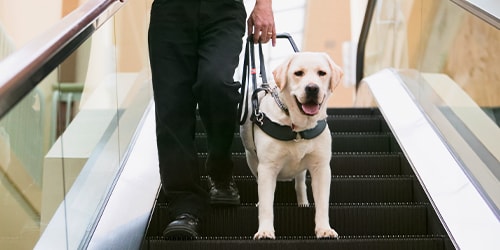
안내견은 기내에 무료로 탑승할 수 있습니다. 정서 지원견과 안내견을 위한 예약은 출발 48시간 전까지 해주시기 바립니다. 비행 중 안내견은 별도의 케이지 없이 주인의 발 앞에 앉아야 합니다.
안내견을 동반하려면 안내견의 유효한 건강 증명서, ID 서류, 예방 접종 서류가 있어야 합니다. 또한 목적지 국가에서 안내견에 요구하는 기타 서류도 지참해야 합니다. 체크인 시 이와 같은 서류를 제시해야 할 수도 있습니다.
자세한 내용은 애완동물 여행 페이지에서 확인하세요.

자폐증, 치매(건망증), 불안장애, 언어장애, 읽기장애, 시력장애 등 눈으로는 확인하기 힘든 차이로 인해 개인은 여행 중, 공항에서, 비행 중에 어려움을 겪을 수 있습니다.
승객 여러분이 여행 중에 겪을 수 있는 이러한 어려움을 최소화하기 위해 저희는 해바라기 목줄 서비스를 도입했습니다.
지상 서비스 직원과 객실 승무원은 해바라기 목줄을 착용한 승객을 보면 해당 승객이 특정 수속 과정에서 더 많은 도움, 지원 또는 더 많은 시간이 필요할 수 있다는 것을 알 수 있습니다.
승객은 건강 상태를 입증할 필요 없이 이스탄불 공항의 보조 체크인 카운터에서 무료로 목줄을 받을 수 있으며 여행 기간 내내 착용하실 수 있습니다. 또한 승객은 이후 여행과 해바라기 목줄이 유효한 곳에서 동일한 카드를 계속 사용하실 수 있습니다.

비행 중 필요할 수 있는 일부 의료 장비는 기내에 구비되어 있습니다. 또는 비행 중에 개인 의료 장비를 사용할 수도 있습니다.

보안상의 이유로 비행 중에는 개인 산소통을 사용할 수 없습니다. 그러나 귀하의 진단서에 명시되어 있는 분당 필요량에 맞춰 의료 기기 인증을 받은 산소 탱크가 제공됩니다. 산소 관련 문제는 출발 48시간 전까지 문의해야 합니다.

개인 호흡기/POC/CPAP 기계를 소지하고 여행하는 경우 장치가 FAA 승인을 받았는지 확인해야 합니다. 이착륙 시를 제외하고 필요할 때마다 개인 기기를 사용할 수 있습니다. 휴대용 호흡기를 사용하는 승객은 장치의 운송 및/또는 사용과 관련하여 비행 48시간 전에 예약 부서에 알려야 합니다. 승객이 기내에서 휴대용 호흡기를 사용하려는 경우 의사 진단서가 필요합니다. 기내에서 흡입기를 사용하시려면 충분한 배터리(비행 시간의 1.5배에 해당하는 시간 동안 사용할 수 있는 양)를 지참하셔야 합니다. 기내에 전원 콘센트가 없어도 이러한 기기를 사용할 수 있습니다.

당뇨병이 있는 승객은 별도 보고 없이 관련 약을 복용할 수 있습니다. 당뇨병을 제외하고, 건강 문제로 비행 중 약을 복용해야 하는 승객은 처방전을 소지해야 합니다.
미국발/미국행 항공편을 이용할 때 장애와 관련된 문제는 민원 담당자(Complaint Resolution Official, CRO)에게 상담을 요청할 수 있습니다. CRO 팀은 터키 항공을 대표하여 민원을 해결합니다. CRO 팀원들은 “U.S Department of Transportation, Title 14, Chapter II, Sub-chapter D, Part 328, Subpart K”에 따라 감수성 및 인식 훈련과 관련 DOT 규정 및 법규 교육을 받았습니다. 공항 운영 시간에 공항에서 CRO에 문의할 수 있습니다. CRO에 연락할 수 없는 경우 CRO@THY.COM으로 이메일을 보내주시면 문제를 세부적으로 검토하겠습니다. CRO의 전체 목록은 이 페이지를 참조하시기 바랍니다. CRO 서비스는 영어와 터키어로 제공됩니다.
터키항공이 14CFR Coder of Federal Regulation, Part 382 조항을 위반했다고 생각하는 고객은 다음 경로를 통해 14CFR Part 382.65의 해당 절차에 따라 공식적으로 불만을 제기할 수 있습니다.
우편:
U.S. Department of Transportation Aviation
Consumer Protection Division/C-75400
7th Street, SW
Washington, D.C. 20590
1-202-366-2220
온라인 채널:
ACPD(Aviation Consumer Protection Division) >>
미국 교통부의 최종 규칙에서 “Non-discrimination on the Basis of Disability in Air Travel” Title 14, Chapter 2, Section 382 조항을 검토할 수 있습니다.
다음 경로를 통해 교통부 규정에 액세스할 수 있습니다.
장애인 승객을 위한 무료 전화번호(영어):
1-800-778-4838(음성)
1-800-455-9880(TTY)
미국 항공 소비자 보호 부서 전화번호:
202-366-2220(음성)
202-366-0511(TTY)
미국 항공 소비자 보호 부서 주소:
C-75, U.S. Dept. of Transportation
1200 New Jersey Ave., SE.
Washington, D.C. 20590
미국 항공 소비자 보호 웹사이트: