Перейти до основного вмісту


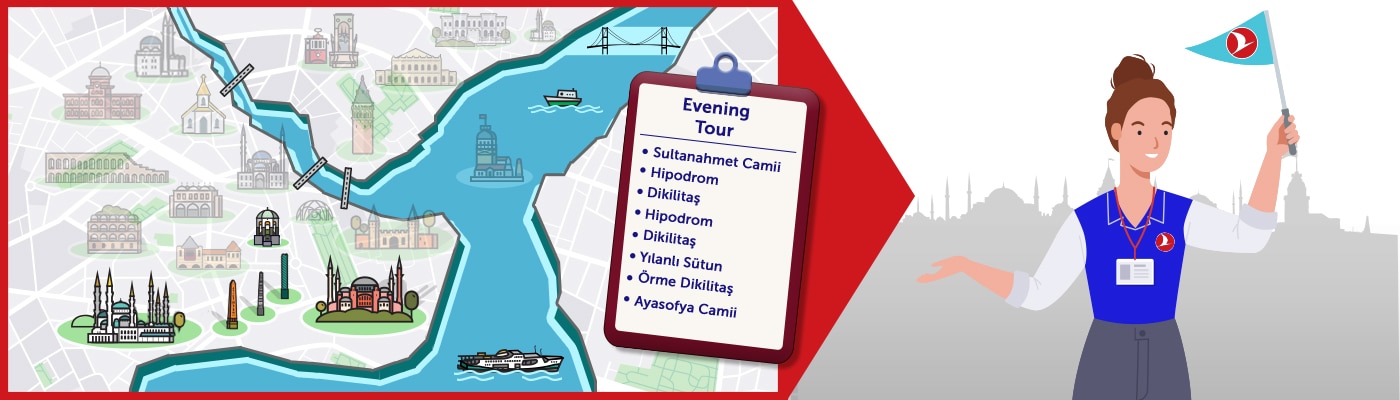
Evening tour

An evening tour is a delightful way to discover the history and culture of Istanbul. On this tour, you will visit important sites on the Historical Peninsula, sample traditional flavors, and get a close-up look at the architectural marvels and daily life that make this ancient city so special.

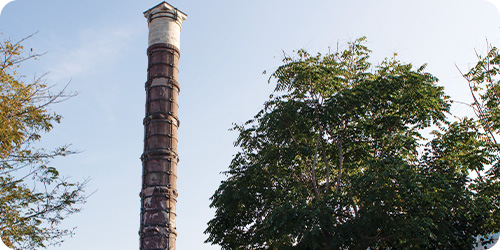
Çemberlitaş Column

Originally residing in the Temple of Apollo, in Rome, the column was brought to Çemberlitaş by the Byzantine emperor Constantine, thus is also known as the Column of Constantine. The column is said to hold important sacred relics for the Christian world at its base.

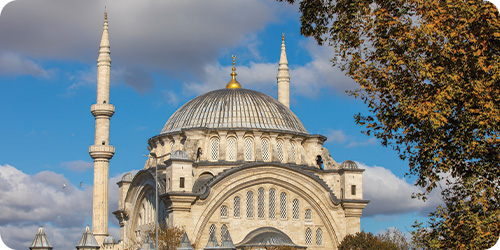
Nuruosmaniye Mosque

Nuruosmaniye, the first Ottoman mosque to feature the baroque style, is known for its elegant decorations and large dome. Located right next to the Grand Bazaar, the heart of commerce in Çemberlitaş, the mosque lends its name to one of the bazaar’s gates.

Kapalıçarşı (Grand Bazaar)

With thousands of shops covering an area of 30,000 square meters, the Grand Bazaar is Istanbul’s most famous tourist shopping destination. Built after the conquest, the 600-year-old bazaar’s shops sell many traditional products, from Turkish delight to carpets and from jewelry to spices.

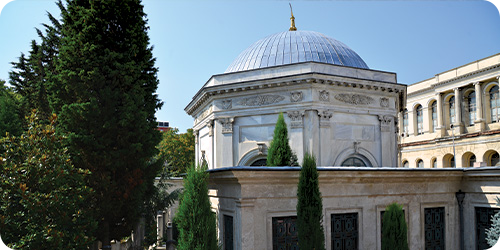
II. Mahmud Türbesi (The Tomb of Mahmud II)

Erected by Sultan Abdülmecid to commemorate his father, the Tomb of Mahmud II, on Divanyolu, is a white-marble octagon in the Empire style. The garden around the tomb later became the burial place for many members of the dynasty, as well as high-ranking bureaucrats.

Hippodrome

The Hippodrome, where horse races were held during the Roman period, was one of the most important social spaces of the era. Today, the area extending from the German Fountain to the Obelisk, Serpent Column, and Woven Column forms the center of the Historical Peninsula.

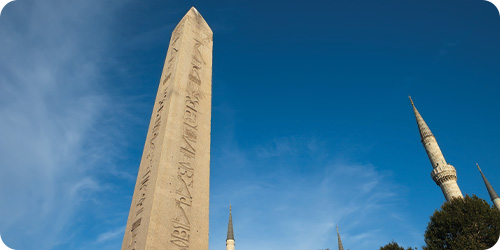
Obelisk

Carved from granite, the Obelisk was brought from Egypt to Istanbul during the reign of Byzantine Emperor Theodosius I. Located in Sultanahmet Square, this magnificent monument, whose sides are adorned with hieroglyphics, is one of the oldest monuments in Istanbul with a history of approximately 3,500 years.

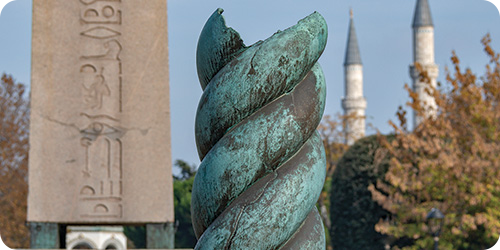
Serpent Column

Originally built as a victory monument in Ancient Greece, the Serpent Column was brought to Istanbul during the Byzantine period. The column, the largest surviving monument from the Classical period, is said to have once protected the city from insects and reptiles.

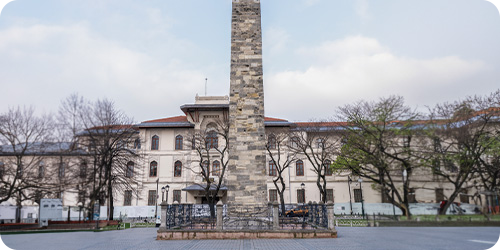
Örme Dikilitaş (Walled Obelisk)

Located in Sultanahmet Square and also known as Constantine’s Obelisk, this monument served as a gathering spot for Janissaries during the Ottoman period. While the obelisk’s bronze cladding has been lost over time, it still attracts attention with its original stone structure.

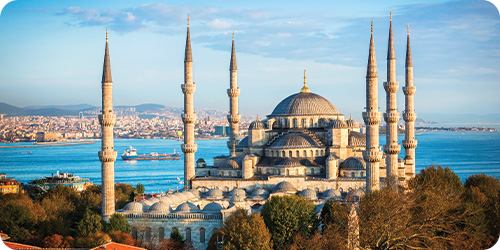
Sultanahmet Mosque

One of Istanbul’s iconic structures, the Sultanahmet Mosque is located directly opposite the Hagia Sophia. Built during the late period of Classical Ottoman architecture, this important landmark is also known as the “Blue Mosque” due to its interior, which is decorated with thousands of blue-hued Iznik tiles.

Hagia Sophia Mosque (Visit from outside)

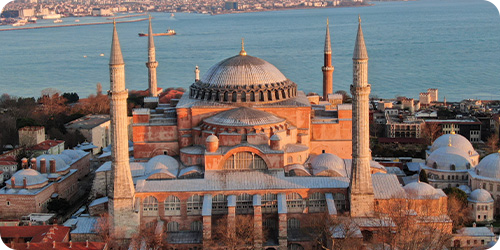
Built in the 6th century during the reign of Emperor Justinian I, the name means “Holy Wisdom” in Ancient Greek. Hagia Sophia, the most impressive example of Byzantine architecture and the largest domed structure of its time, continues to serve as a mosque today, as it did during the Ottoman period.